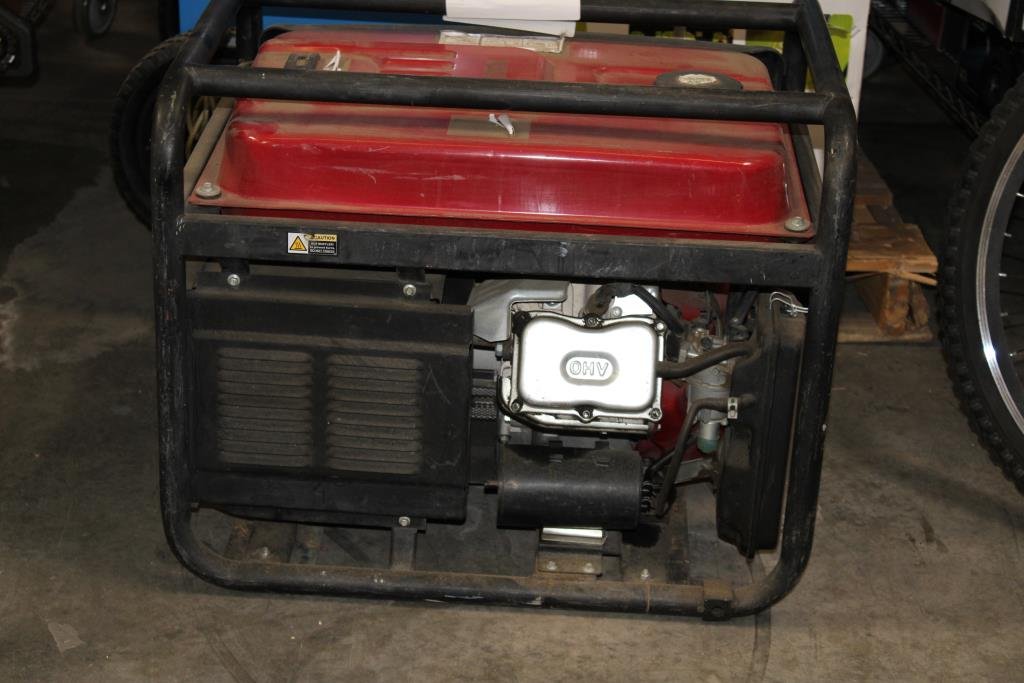
When the lights go out, the job site demands power, or your RV needs to feel like home, a reliable generator isn't just a luxury—it's essential. In this comprehensive review and performance specs guide, we're diving deep into the Predator 6500 Generator, a portable powerhouse that has carved out a significant niche for itself by balancing serious output with an unexpectedly friendly price tag. Whether you're a homeowner bracing for outages, a contractor powering tools, or an RVer seeking off-grid comfort, understanding what this generator brings to the table is crucial.
At a Glance: Predator 6500 Generator Highlights
- Power Output: Robust 5500 running watts, 6500 peak watts – handles significant loads.
- Engine: Dependable 301cc OHV air-cooled gas engine built for durability.
- Runtime: Impressive runtimes, often quoted around 14.5 hours on a single tank at partial load.
- Value: One of its strongest selling points, offering comparable performance to units twice its price.
- Versatility: Ideal for home backup, job sites, RVs, and mobile business operations.
- Mobility: Integrated wheel kit and fold-down handles make it easier to move its 155-161 lb frame.
- Noise Level: Moderate at 73-74 dB(A), typical for an open-frame conventional generator of this size.
- Starting: Primarily manual recoil pull start, though some variations or older models might have an electric start option.
- Outlets: A comprehensive panel including 120V standard, 120V/240V twist-lock, and 12V DC.
Why the Predator 6500 Stands Out from the Pack
In a crowded market of portable generators, the Predator 6500 often emerges as a top contender for those seeking substantial power without breaking the bank. It's a heavy-duty workhorse designed to bridge the gap between small recreational generators and much larger, more expensive whole-home backup systems.
Its core appeal lies in its exceptional value. While national brands might command $800 to $1,200 for similar specifications, the Predator 6500 typically retails for $549-$649. This makes it an incredibly attractive option for budget-conscious buyers who refuse to compromise on performance or reliability. Beyond the price, its impressive runtime, robust engine design, and user-friendly features contribute to its reputation as a serious contender.
Under the Hood: Key Specifications and Design
Let's peel back the layers and look at the hard numbers that define the Predator 6500's capabilities.
Engine and Power Output
At its heart, the Predator 6500 boasts a 301cc OHV (Overhead Valve) air-cooled gas engine. This engine design is known for its efficiency, reliability, and ease of maintenance, featuring durable cast iron cylinder sleeves that extend its lifespan.
When it comes to power, it delivers:
- Peak Watts: 6500W – useful for starting high-surge appliances like refrigerators or power tools.
- Running Watts: 5500W – your continuous, everyday power supply.
This wattage makes it capable of running a significant array of essential items simultaneously, a claim we’ll explore further when discussing real-world applications. The engine also features low oil shutdown, a critical safety feature that protects the engine from damage if oil levels drop too low.
Fuel Capacity and Runtime
Fuel efficiency and runtime are crucial for any portable generator. The Predator 6500 offers substantial capacity, though figures can vary slightly between sources.
- Fuel Tank: Approximately 5 to 8 gallons.
- Runtime: Users report up to 14.5 hours of operation at 25% load (around 1,375 watts) on roughly 5 gallons, consuming about 0.34 gallons per hour. Another report indicates 14.5 hours at 50% load on an 8-gallon tank, consuming 0.55 GPH. Regardless of the exact tank size, the consensus is excellent long-duration power.
Noise Level
Like most conventional open-frame generators of this size, the Predator 6500 isn't whisper-quiet.
- Noise Level: Typically rated around 73 dB to 74 dBA max. To put this in perspective, this is comparable to a loud conversation or a running vacuum cleaner. It's perfectly acceptable for job sites or emergency home backup where it can be placed a reasonable distance from living areas, but it's not ideal for noise-sensitive camping or residential settings where inverter generators excel.
Portability and Dimensions
Despite its power, the Predator 6500 is designed with portability in mind.
- Weight: Around 155 to 161 pounds. This isn't featherlight, but it's manageable for two people to lift or one person to maneuver with the built-in wheel kit.
- Dimensions: Roughly 24.4″ L x 22.8″ W x 22″ H. Its compact footprint helps with storage and transportation.
- Mobility Features: It often comes with an integrated wheel kit featuring never-flat tires and fold-down handles, making it much easier to move around your property or job site. Be aware that if purchased from Harbor Freight, the wheel kit may sometimes be a separate add-on.
Outlet Configuration
The control panel is thoughtfully designed, offering a versatile range of outlets to connect various devices.
- Standard Household: Four 120V 20A standard outlets (5-20R), including two GFCI-protected duplex outlets.
- High-Power: One 120V/240V 30A twist-lock outlet (L14-30R) for connecting to a transfer switch or larger appliances.
- DC Power: One 12V DC outlet, often used for charging automotive-style batteries.
Safety Features
Safety is paramount when dealing with portable power. The Predator 6500 includes essential safeguards:
- Low Oil Shutdown: Automatically turns off the engine to prevent damage when oil levels are critically low.
- Fuel Gauge: Allows you to easily monitor fuel levels.
- Automatic Circuit Breakers: Protect the generator and connected devices from overloads.
- Power Quality: Voltage regulation is maintained within ±10% across varying loads, which is good for most appliances and tools, though sensitive electronics might still benefit from a surge protector.
Powering Your World: Real-World Applications
With 5500 running watts and 6500 peak watts, the Predator 6500 is a highly versatile power source. Let's look at what it can realistically power in different scenarios.
Home Backup Essentials
During a power outage, the Predator 6500 can keep your critical home appliances running. It won't power an entire house simultaneously, but with strategic load management, it's highly effective.
- Refrigerator (700W) & Freezer (500W): Keeps food fresh.
- Furnace Fan (800W): Maintains heat in colder climates.
- Multiple Lights (400-600W): Illuminates key areas.
- TV (300W) & Internet/Computer (200-300W): Stays connected and entertained.
- Microwave (1000W intermittent): For quick cooking or reheating.
- Well Pump (1000W start/500W run intermittent): Essential for homes relying on well water.
- Window Air Conditioner (1100W): Provides relief during hot weather.
You'd typically prioritize essentials, starting the largest motor-driven items first, then adding smaller loads.
Construction and Job Sites
For contractors and DIY enthusiasts, reliable power for tools is non-negotiable. The 30-amp 120V/240V outlet is particularly useful here.
- Circular Saw (1500W): Handles cutting tasks.
- Air Compressor (1800W start/1000W run): Powers pneumatic tools.
- Work Lights (500W): Ensures visibility.
- Battery Chargers (200W): Keeps cordless tools ready.
- Concrete Mixer (850W): For masonry projects.
- Smaller Power Tools (600-1200W): Drills, grinders, sanders, etc.
It's a robust solution for powering a wide range of demanding equipment.
RV, Camping, and Outdoor Adventures
The Predator 6500 is a popular choice for RVers and campers who need more than just basic power. The 30-amp twist-lock outlet connects directly to many RV systems.
- RV Air Conditioner (1500-2000W start/1000-1500W run): Keeps your RV cool.
- Electric Cooking Appliances (1000-1500W each): Coffee makers, toasters, induction cooktops.
- Lighting (200-400W) & Entertainment (200-300W): Provides comfort and leisure.
- Water Pump (500W): For onboard water systems.
It allows you to enjoy many of the comforts of home, even when far from an outlet.
Mobile Businesses and Events
From food trucks to outdoor markets, mobile operations benefit greatly from the Predator 6500's consistent power.
- Refrigeration Units (700-1500W): Essential for food and beverage services.
- Cooking Appliances (600-1500W each): Grills, fryers, warmers.
- POS Systems (200W) & Lighting (400W): For transactions and ambiance.
- PA Systems (300-500W): For music or announcements.
- Fans/Heaters (1000-1500W): For climate control.
Its long runtime is particularly beneficial for events lasting several hours.
Getting Started: Setup and First Use
Setting up your Predator 6500 for the first time is straightforward but requires careful attention to detail for safe and efficient operation.
Initial Assembly and Preparation
- Install Wheel Kit (if needed): If your unit didn't come with the wheel kit pre-installed, follow the instructions to attach the wheels and handles. This is critical for mobility.
- Add Engine Oil: The generator is shipped without oil. You'll need to add approximately 1.16 quarts (37 ounces) of SAE 10W-30 oil. For colder environments (below 32°F / 0°C), 5W-30 is recommended. Do not overfill.
- Fill with Fuel: Use fresh, unleaded gasoline with an octane rating of 87 or higher. Avoid gasoline with more than 10% ethanol, as it can damage the engine over time. Do not overfill past the fuel filter screen.
- Ground the Generator: For safety, always ground your generator. This typically involves connecting a grounding wire from the generator's grounding lug to a suitable ground rod driven into the earth. Consult your owner's manual for specific instructions.
- Pre-Start Inspection: Before every start, quickly check for loose parts, oil leaks, or any visible damage. Ensure cooling inlets are clear.
The Starting Procedure
Once prepped, starting the Predator 6500 is a standard process for a pull-start generator:
- Placement: Always operate the generator outdoors in a well-ventilated area, far from windows, doors, and vents (at least 20 feet away from any structures). Ensure it's on a level surface.
- Fuel Valve: Turn the fuel valve to the "ON" position.
- Choke Lever: For a cold engine, move the choke lever to the "CLOSED" or "FULL CHOKE" position. If the engine is already warm, use "HALF CHOKE" or no choke.
- Engine Switch: Flip the engine switch (or ignition switch) to the "ON" position.
- Pull Start: Grip the starter handle firmly and pull it rapidly and smoothly after feeling initial resistance. Don't let it snap back; guide it gently. It may take a few pulls.
- Choke Adjustment: As the engine starts and warms up (usually within 30 seconds to a minute), gradually move the choke lever to the "OPEN" or "RUN" position.
- Warm-up: Allow the generator to run for 1-2 minutes before connecting any electrical loads. This helps stabilize the engine.
Safe Operation Practices
Operating a generator safely is non-negotiable.
- Carbon Monoxide (CO) Awareness: This is the most critical safety warning. Generators produce carbon monoxide, an odorless, colorless, and deadly gas. NEVER operate a generator indoors, in a garage, shed, or any partially enclosed space. Always use it outdoors, with the exhaust pointed away from occupied buildings, and install CO detectors in your home.
- Fire Prevention: Always cool the generator completely before refueling. Clean up any spilled fuel immediately. Keep flammable materials, like gasoline cans, away from the operating generator.
- Electrical Safety: Do not operate the generator in wet conditions unless it's fully protected from moisture. Use only heavy-duty, outdoor-rated extension cords that are properly sized for the load. Never back-feed power into your home's electrical system without a professionally installed transfer switch.
- Load Management: Always connect appliances and tools one at a time. Start with larger, motor-driven items (like a refrigerator or air compressor) first, as they have higher starting (surge) wattage. Never exceed the generator's 5500 running watts capacity.
- Proper Shutdown: Before turning off the generator, disconnect all electrical loads. Allow the generator to run for a few minutes without load to cool down, then turn the engine switch to "OFF" and the fuel valve to "OFF."
Keeping it Running Strong: Maintenance Essentials
Regular maintenance is the key to longevity and reliable performance for your Predator 6500. Think of it like taking care of your car—a little proactive work goes a long way.
Maintenance Schedule Overview
Follow the manufacturer's recommended schedule, but here's a general guide for typical use:
- Before Each Use: Check engine oil, inspect air filter, check fuel level/quality, examine for loose/damaged parts, ensure cooling inlets are clear.
- After First 20 Hours (Break-in): Crucial oil change, inspect/clean spark arrestor, check/adjust valve clearance (often best left to a professional).
- Every 50 Hours or 3 Months: Change engine oil (more often in dusty conditions), clean air filter, clean fuel sediment cup, inspect/clean spark plug.
- Every 100 Hours or 6 Months: Replace spark plug, replace air filter, clean fuel tank/filter, check/clean spark arrestor, inspect fuel line.
- Every 300 Hours or Annually: Replace air filter, professional service recommended for cleaning combustion chamber and checking valve clearance, clean fuel tank/filter, check all fuel lines.
Key Maintenance Tasks
- Oil Changes: Perform when the engine is warm (but off). Locate the oil drain plug, place a pan underneath, and remove it to drain the old oil. Once drained, replace the plug and refill with approximately 1.16 quarts of SAE 10W-30 oil (or 5W-30 for cold temps). Check the dipstick to ensure the correct level.
- Air Filter Service: Remove the air filter cover. If it has foam elements, wash them in soapy water, rinse, let dry, and lightly oil them before reinstalling. Paper elements should be tapped clean or replaced if heavily soiled. A clean air filter is vital for engine performance and fuel efficiency.
- Carburetor Maintenance: If the generator runs rough or struggles to start, the carburetor may need attention. Turn off the fuel valve, drain the fuel bowl, and clean out any clogs in the jets. Reassemble carefully, ensuring no leaks. For complex issues, professional service is advisable.
- Spark Plug Service: Remove the spark plug using a spark plug wrench. Inspect it for carbon buildup, damage, or wear. Clean any deposits with a wire brush or replace it with an F7TC equivalent spark plug. Crucially, check the gap (0.028-0.031″ or 0.7-0.8mm) with a feeler gauge before reinstalling.
- Fuel Storage: To prevent common carburetor issues, always use fresh fuel. If storing for more than 30 days, add a fuel stabilizer to the tank and run the generator for 10 minutes to circulate it.
Preparing for Long-Term Storage
If you won't be using your Predator 6500 for more than 30 days, proper storage is essential to prevent fuel system issues and engine damage:
- Fuel Stabilizer: Add a quality fuel stabilizer to the fuel tank and run the generator for 10 minutes to ensure it circulates through the carburetor.
- Drain Fuel: Turn the fuel valve to "OFF" and let the engine run until it completely runs out of fuel and stops. This empties the carburetor bowl, preventing gumming.
- Change Oil: Perform an oil change.
- Cylinder Protection: Remove the spark plug, pour about one tablespoon of clean engine oil into the cylinder, and slowly pull the starter cord a few times to distribute the oil. Reinstall the spark plug. This lubricates the cylinder wall and prevents rust.
- Clean and Cover: Clean the exterior of the generator and store it in a dry, protected area, ideally with a generator cover.
Troubleshooting Common Generator Glitches
Even well-maintained generators can encounter issues. Here's a quick guide to common problems and their solutions.
- Won't Start:
- No Fuel: Check fuel level. Ensure it's fresh (not older than 30 days).
- Low Oil: The low oil shutdown system prevents starting. Top off oil.
- Spark Plug: Inspect for fouling, damage, or incorrect gap. Clean or replace.
- Choke Position: Ensure it's correctly set for cold or warm starts.
- Fuel Valve: Make sure it's in the "ON" position.
- Air Filter: A severely clogged air filter can prevent starting.
- Carburetor: Clogged jets (often from old fuel) can starve the engine.
- Hard Starting: Often related to fuel quality, spark plug condition, or valve clearance issues.
- No Electricity Output:
- Tripped Breaker: Check the circuit breakers on the control panel and reset if tripped.
- Faulty Outlet: Try a different outlet.
- AVR (Automatic Voltage Regulator): A damaged AVR can prevent power generation.
- Internal Wiring: Could be a loose or damaged connection.
- Low Voltage Output:
- Engine Speed: The engine must run at the correct RPM (typically 3600 RPM under load) to produce proper voltage.
- Overload: Too many appliances can bog down the engine and lower voltage.
- Capacitor/Brush Wear: Can affect voltage regulation (less common in modern generators without brushes, but possible).
- Runs Rough/Surges:
- Stale Fuel/Carburetor: Most common cause. Clean the carburetor or use fresh fuel.
- Air Filter: Restricted airflow.
- Governor Adjustment: Incorrectly adjusted governor.
- Exhaust Restriction: Clogged spark arrestor.
- Excessive Fuel Consumption: Check air filter, carburetor, ensure you're not constantly operating at max capacity, and inspect for fuel leaks.
- Excessive Vibration: Can indicate loose engine mounts, an unbalanced load, or internal engine problems.
- Unusual Noise: Could be loose parts, bearing wear, valvetrain issues, or an exhaust leak.
When in doubt, especially for internal engine issues or electrical faults, it's always best to consult a qualified service technician.
Smart Upgrades and Essential Parts
To maximize the utility and lifespan of your Predator 6500, consider these accessories and be prepared with common replacement parts.
Essential Maintenance and Replacement Parts
Having these on hand can save you time and hassle:
- Air Filter: Crucial for engine health.
- Spark Plug: An F7TC equivalent, gapped correctly (0.028-0.031″), is a frequent replacement item.
- Engine Oil: Always keep SAE 10W-30 (or 5W-30 for cold weather) on hand.
- Fuel Filter: Prevents contaminants from reaching the carburetor.
- Recoil Starter Assembly: If your pull cord ever breaks, having a spare can be a lifesaver.
- Voltage Regulator: If you experience consistent power output issues, this might be the culprit.
- Carburetor: A new one can sometimes be easier than cleaning a heavily gunked-up unit.
Valuable Accessories
Enhance your generator's functionality and protect your investment:
- Generator Cover: Protects against weather and dust during storage.
- Extended Run Fuel System: For even longer runtimes without manual refueling, though these are third-party modifications.
- Hour Meter: Tracks engine runtime, making it easy to adhere to maintenance schedules.
- Transfer Switch Kit: Safely connects your generator to your home's electrical panel (professional installation required).
- Heavy-Duty Extension Cords: Properly rated cords for the loads you'll be running.
- Carbon Monoxide Detector: A portable battery-operated CO detector is a must-have when operating any generator.
Who Is This Generator For?
The Predator 6500 strikes a sweet spot for several user profiles, but it's not a one-size-fits-all solution.
Ideal For:
- Homeowners needing reliable emergency backup power for essential appliances during outages.
- Contractors and Construction Crews who require dependable power for a range of tools on job sites.
- RV Owners looking to power their air conditioners and other comforts while camping or boondocking.
- Mobile Businesses and Event Organizers that need a robust, long-running power source for their operations.
- Budget-Conscious Buyers who prioritize a strong balance of performance, features, and value over brand name premiums.
Less Suitable For:
- Users needing ultra-quiet operation: At 73-74 dB(A), it's too loud for quiet campgrounds or noise-restricted suburban areas. Consider an inverter generator instead.
- Applications needing absolutely clean power for sensitive electronics: While its voltage regulation is decent, an inverter generator provides "cleaner" sine wave power, which is safer for highly sensitive devices. Always use a surge protector with a conventional generator.
- Those prioritizing minimal weight: At 155-161 lbs, it's not the lightest option for frequent solo transport over uneven terrain.
- Users with limited strength for pull-starting: While manageable, repeatedly pull-starting a large engine can be tiring. Look for models with electric start if this is a concern.
- Applications needing more than 5500 watts continuous power: If you need to run a whole house simultaneously or multiple high-demand appliances, you'll need a larger generator.
You can dive deeper into its capabilities and what makes it a standout choice for various scenarios by exploring how the Predator 6500 stacks up against other generators.
Making the Most of Your Predator 6500
The Predator 6500 generator is a proven performer, offering impressive power and reliability at a highly competitive price point. It’s a workhorse built for serious applications, from keeping your home running during an outage to powering critical tools on a remote job site.
To get the most out of your investment, remember these key takeaways:
- Prioritize Safety: Always operate outdoors, understand carbon monoxide risks, and follow all electrical safety guidelines.
- Consistent Maintenance: Adhering to the maintenance schedule, especially regular oil changes and fuel system care, will significantly extend its life.
- Smart Loading: Understand its wattage limits and manage your loads strategically to avoid overloads and ensure stable power.
- Proper Storage: If it's going to sit for a while, take the time to prepare it for storage to prevent common fuel-related issues.
By following these guidelines, your Predator 6500 can be a dependable source of power for years to come, giving you peace of mind and the versatility you need, whenever and wherever you need it.