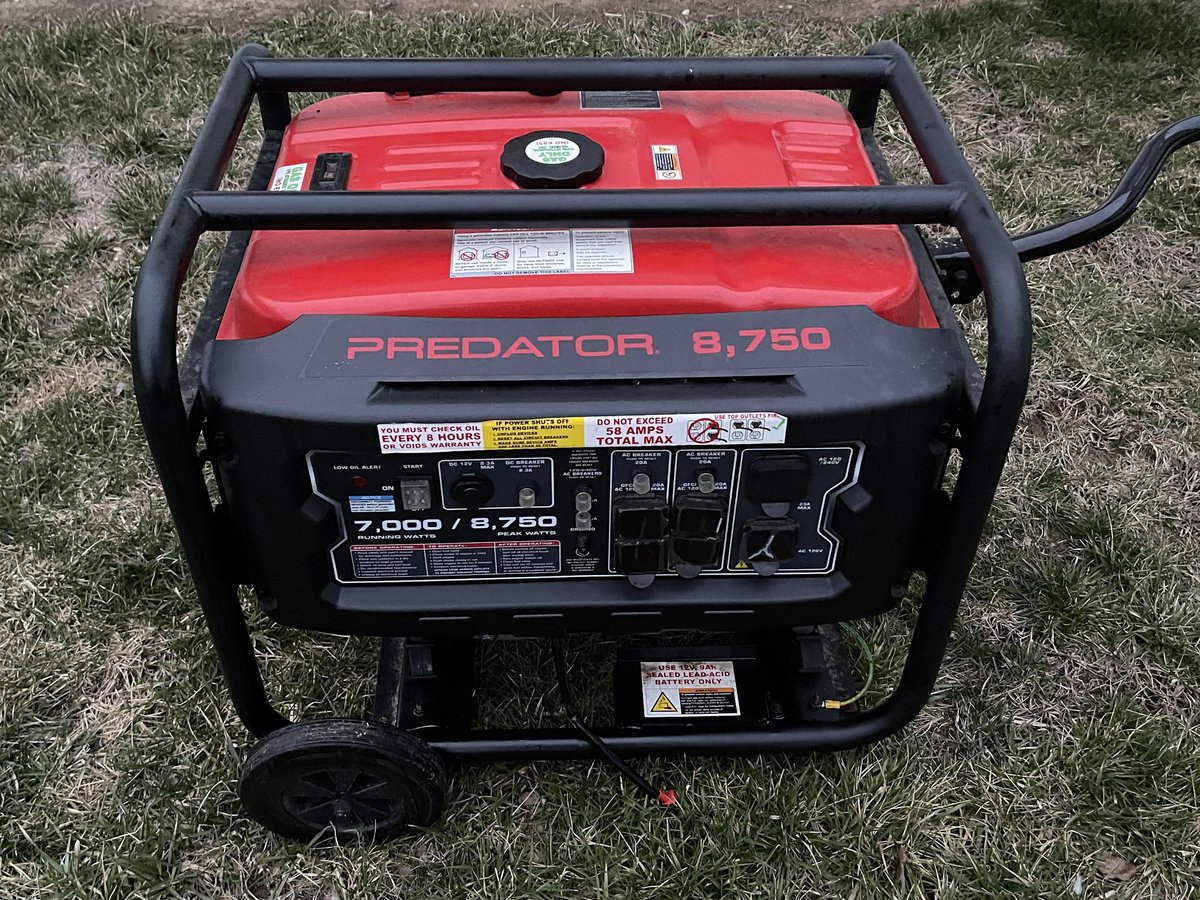
When the power grid goes down, your Predator 6500 generator becomes a lifeline. But it's only as reliable as the care you put into it. This comprehensive guide dives deep into Predator 6500 generator maintenance, parts, and troubleshooting, transforming you from a casual owner into a confident operator ready for any outage. We'll cut through the jargon, delivering actionable advice that keeps your power humming when it matters most.
At a Glance: Your Predator 6500 Power Checklist
- Safety First, Always: Proper grounding and disconnecting power before any service are non-negotiable.
- Fuel Wisely: Stick to fresh gasoline with no more than 10% ethanol (E10). Never use E85.
- Routine Care is Key: Regularly check your spark plug, fuel, and clean debris.
- Know Your Limits: The Predator 6500 isn't for sensitive electronics without a surge protector.
- Listen to Your Generator: Unusual noises or behaviors often signal a simple fix.
- OEM Parts Matter: Use only recommended accessories and identical replacement parts for longevity and safety.
- When in Doubt, Call: Harbor Freight offers excellent support for technical questions and warranty claims.
The Unseen Power: Why Predator 6500 Care Isn't Optional
Think of your Predator 6500 as an emergency first responder. You wouldn't send a firefighter into a blaze with unmaintained gear, would you? The same logic applies here. Skipping routine maintenance not only risks unexpected breakdowns when you need power most but also compromises safety. Regular checks and timely part replacements ensure your generator runs efficiently, extends its lifespan, and, most importantly, keeps you and your family safe.
Safety First: Non-Negotiables for Predator 6500 Owners
Before you even think about starting, fueling, or servicing your Predator 6500, safety must be your absolute priority. Ignoring these precautions can lead to serious injury, property damage, or even fatalities.
Grounding Your Generator: A Critical Connection
Every single time you operate your Predator 6500, it must be earth-grounded. This isn't a suggestion; it's a critical safety measure mandated by all electrical codes. Proper grounding protects against electrical shock, especially in the event of a fault. For specific instructions on how to properly ground your unit, always refer to your owner's manual.
Preventing Backfeed: Don't Electrocute Utility Workers
This is huge: never, under any circumstances, connect your generator directly to your home's electrical system without a professionally installed transfer switch. Improper connections can cause "backfeed," sending electricity back into utility lines. This creates an extreme electrocution hazard for utility company personnel working to restore power. Always use a transfer switch or plug appliances directly into the generator's receptacles.
Before You Touch Anything: Power Down and Disconnect
Before performing any service, maintenance, or cleaning—even a quick inspection—take these vital steps:
- Unplug All Devices: Remove every electrical load from the generator's receptacles.
- Engine Switch to "OFF": Turn the engine switch firmly to the "OFF" position.
- Allow to Cool: The engine and exhaust components get extremely hot. Wait for them to cool completely before touching.
- Disconnect Spark Plug Cap: This is your final safety net. Removing the spark plug cap prevents accidental engine starts while you're working.
Hands and Feet Clear: Beware of Moving Parts
While the generator is operating, keep your hands, feet, clothing, and any foreign objects well away from all moving parts, especially the pull cord, flywheel, and any rotating components. The risk of entanglement and severe injury is very real.
The Right Gear for the Job: Accessories and Repairs
Only use accessories specifically recommended by Harbor Freight Tools for your Predator 6500. Using unapproved attachments can damage the generator and void your warranty. When it comes to repairs, especially internal engine work or electrical system issues, have the equipment serviced by a qualified repair person. They'll use identical replacement parts, which is crucial for maintaining the generator's safety certifications and operational integrity.
Understanding Your Predator 6500: Key Specs & Considerations
Knowing what your generator can (and can't) do is fundamental to proper operation and maintenance. The Predator 6500 is a robust portable power solution, but it has its specific design parameters. For a deeper dive into the overall capabilities and design of your unit, you might want to learn more about the Predator 6500 generator.
Core Specifications at a Glance:
- Rated Output: 5,500 Watts
- Maximum Output: 6,500 Watts (for starting inductive loads)
- Electrical Receptacles:
- Two 3-Prong, duplex NEMA #5-20 120V
- One 4-Prong, NEMA #L14-30 twistlock 120V/240V
- One DC Outlet 12VDC
- Voltage/Frequency: 120/240V~, 60Hz
- Engine Type: 420cc Horizontal Single Cylinder 4-stroke OHV, EPA Phase III compliant.
- Cooling System: Forced air cooled.
- Circuit Breakers: Built-in protection against overloading.
Important Consideration: Sensitive Electronics
Your Predator 6500 produces "utility grade" power, which can have slight fluctuations. This means it's not intended to power sensitive electronic equipment like computers, smart TVs, or advanced medical devices directly. If you absolutely must power such items, you'll need an appropriate line conditioner and surge protector. These aren't included with the generator but are a worthwhile investment to protect your valuable electronics.
Fueling Your Generator Safely: The Right Stuff, The Right Way
Fuel is the lifeblood of your generator, and improper fueling or using the wrong type can lead to poor performance, damage, and serious safety risks.
Filling the Tank: Safety First
Always fill the fuel tank in a well-ventilated outdoor area. The golden rule: ensure the engine is cool and completely turned off, and there are absolutely no ignition sources (open flames, sparks, lit cigarettes) nearby. Gasoline fumes are highly flammable and can ignite explosively.
The Right Fuel: Ethanol is the Enemy
This is critical: do not use gasoline containing more than 10% ethanol (E10). Furthermore, never use E85 ethanol. High-ethanol fuels can attract moisture, corrode fuel system components, and lead to serious engine damage over time. Always opt for fresh, unleaded gasoline that is explicitly labeled as E10 or less. If possible, consider using a fuel stabilizer for any fuel stored for more than a month.
Mastering Predator 6500 Maintenance: Your Schedule for Reliability
Regular maintenance isn't just about fixing things when they break; it's about preventing them from breaking in the first place. Adhering to a consistent maintenance schedule ensures your Predator 6500 is always ready to deliver power. Remember the safety steps from earlier: always turn off, cool down, and disconnect the spark plug before any maintenance.
The Spark Plug: The Heartbeat of Your Engine
The spark plug is a small but mighty component, responsible for igniting the fuel-air mixture. A dirty or improperly gapped plug can lead to misfires, hard starting, and reduced efficiency.
- Inspection: Periodically remove the spark plug (using a spark plug wrench). Check for carbon buildup, oil fouling, or electrode wear. If heavily fouled, clean it carefully with a wire brush or spark plug cleaner.
- Gapping: Even new spark plugs can come with an incorrect gap. Use a feeler gauge to verify the gap matches the specification in your owner's manual. An incorrect gap can lead to poor performance or misfires. Adjust carefully by bending the ground electrode.
- Replacement: Spark plugs don't last forever. If cleaning doesn't restore performance, or if the electrodes are visibly worn, replace the plug with an identical part. This is a simple, inexpensive fix that yields significant benefits.
Fuel System Care: Keeping It Clean
Beyond using the right fuel, maintaining the fuel system involves a few simple steps.
- Fuel Filter (if applicable): While not explicitly detailed in the provided context for the 6500, many engines have an inline fuel filter. Check your manual for its location and recommended replacement interval. A clogged fuel filter can starve the engine of fuel, causing it to run poorly or not at all.
- Fuel Valve: Ensure the fuel valve operates smoothly. After operation, turning the fuel valve to "OFF" helps prevent fuel evaporation and potential leaks.
- Draining for Storage: For long-term storage (over 30 days), it's best to drain the fuel tank completely and run the carburetor dry. This prevents fuel degradation and gumming, which is a common cause of hard starting after storage.
Air Filter: Breathe Easy
Again, while not explicitly detailed for the 6500 in the provided ground truth, a clean air filter is crucial for any internal combustion engine. It prevents dust and debris from entering the engine, where it can cause abrasive wear.
- Inspection: Periodically check your air filter (usually housed in a plastic box near the engine) for dirt, dust, and debris.
- Cleaning/Replacement: Foam filters can often be cleaned, while paper filters typically require replacement. Follow your manual's instructions for service.
Oil Changes: The Engine's Lifeline
The ground truth provided doesn't specify oil change intervals, but for any 4-stroke engine like the Predator 6500's 420cc OHV unit, regular oil changes are non-negotiable for longevity. Dirty oil loses its lubricating properties, leading to increased friction and wear.
- Interval: Consult your full Predator 6500 owner's manual for recommended oil type and change intervals (typically after the first 20-25 hours, then every 50-100 hours or annually).
- Checking Oil Level: Always check the oil level before each use, with the generator on a level surface. Add oil as needed to the specified fill line.
General Cleaning and Inspection: Eyes and Ears
- Debris Removal: Keep the generator clean. Remove any accumulated dirt, grass, or leaves, especially around the cooling fins and exhaust. This prevents overheating and reduces fire hazards.
- Visual Inspection: Before each use, quickly inspect the entire unit for loose fasteners, damaged wires, fuel leaks, or any signs of wear. Do not use damaged equipment.
Essential Predator 6500 Parts: What You'll Need & Why
Understanding the key components of your Predator 6500 and having access to the right replacement parts is crucial for effective maintenance and troubleshooting.
Spark Plugs: The Ignition Source
As discussed, spark plugs are wear items. Knowing the correct spark plug type and gap for your 420cc engine is vital. Always refer to your manual for the exact specification. Harbor Freight or a reputable small engine parts supplier will carry the correct replacement.
Circuit Breakers: Your Overload Protection
The Predator 6500 is equipped with circuit breakers designed to protect the generator from overloading. If a breaker trips (meaning it "pops" out), it indicates that too much wattage is being drawn from that circuit.
- Troubleshooting: If you lose power to an outlet, check the corresponding circuit breaker. Disconnect some loads, then reset the breaker by pushing it back in. If it immediately trips again, there's likely still an overload or a short circuit in the attached device.
- Replacement: While generally robust, a circuit breaker can eventually fail. If a breaker consistently trips without an apparent overload, or won't reset, it may need to be replaced by a qualified technician.
Accessories and Identical Replacement Parts: Stick to the Source
Harbor Freight Tools explicitly recommends using only their specified accessories. For any part replacement, whether it's a spark plug, air filter, or a more complex engine component, using "identical replacement parts" is crucial. This ensures compatibility, performance, and adherence to safety standards.
Where to Source Parts and Support:
For any technical questions regarding your specific Predator 6500 (Item 69672 / 69674) or general customer service/warranty inquiries, contact Harbor Freight Tools directly:
- Harbor Freight Tools Customer Service/Warranty: 1-800-444-3353
- Generator Technical Questions (Item 69672 / 69674): 1-800-444-3353
- For engine-specific technical questions, there's a dedicated line:
- Engine Technical Questions: 1-800-520-0882
Troubleshooting Your Predator 6500: Common Issues & Quick Fixes
Even with the best maintenance, generators can occasionally act up. Most problems have straightforward solutions. This section will guide you through common troubleshooting scenarios. Remember: always ensure safety before troubleshooting.
"My Engine Won't Start!"
This is perhaps the most common issue. Don't panic; it's usually one of a few simple culprits:
- No Fuel: Is there gasoline in the tank? It sounds obvious, but it's a frequent oversight.
- Closed Fuel Valve: The fuel valve (often near the carburetor) must be in the "OPEN" or "ON" position.
- Incorrect Choke Position (Cold Engine): If the engine is cold, the choke lever should be moved to the "CHOKE" position to enrich the fuel mixture for starting. Once the engine fires and runs smoothly, gradually move it to "RUN."
- Incorrect Choke Position (Warm Engine): If the engine is warm (e.g., you just stopped it and are restarting), the choke should generally be left in the "RUN" position. Choking a warm engine can flood it.
- Engine Switch OFF: Ensure the engine switch is in the "ON" position.
- Low Oil Shutoff: Many generators have a low-oil sensor that prevents the engine from starting or running if the oil level is too low. Check your oil and add if necessary.
"My Engine Misfires or Runs Rough!"
A sputtering or inconsistent engine can be frustrating. Here's what to check:
- Loose Spark Plug Cap: Ensure the rubber cap on the spark plug is seated firmly and securely. A loose connection can cause intermittent spark.
- Incorrect Spark Plug Gap: As discussed in maintenance, an improperly gapped spark plug won't fire efficiently. Check and adjust the gap according to specifications.
- Damaged or Fouled Spark Plug: Inspect the spark plug. Is it dirty, carbon-fouled, or are the electrodes worn? Clean or replace it as needed.
- Stale Fuel: Old or contaminated fuel is a common cause of rough running. If the fuel has been sitting for months, drain it and refill with fresh, stabilized gasoline.
- Clogged Air Filter: A dirty air filter can restrict airflow, causing the engine to run rich and sputter. Check and clean/replace.
"I Have No Power Output!"
The engine is running, but nothing you plug in works.
- Tripped Circuit Breakers: This is the most likely culprit. Check all the circuit breakers on the control panel. If any are "popped" out, reset them after unplugging some devices.
- Generator Overload: You might be trying to draw too much power. Calculate the total wattage of all connected devices and ensure it's within the generator's 5,500 rated watts (6,500 max). Disconnect some items to reduce the load.
- GFCI Outlet Tripped: If your generator has Ground Fault Circuit Interrupter (GFCI) outlets, the "RESET" button may need to be pressed if the circuit has detected a ground fault.
- Faulty Cord or Appliance: Test your power cords and appliances on a known working outlet to rule them out as the source of the problem.
Emergency Stop vs. Normal Shutdown
Knowing how to properly stop your generator is as important as knowing how to start it.
- Stopping in an Emergency: If you need to shut down immediately due to an unsafe condition (e.g., fire, severe damage, electrical fault), simply turn the Engine Switch to "OFF."
- Stopping Under Normal Conditions: To prevent damage to the generator and connected equipment, always follow this sequence:
- Turn off all electrical loads.
- Unplug all devices from the generator.
- Turn the Engine Switch to "OFF."
Shutting off the engine while it's still under load can cause a sudden power surge or drop, potentially damaging sensitive electronics or straining the generator's components.
When to Call in the Pros: Warranty & Expert Support
Sometimes, troubleshooting goes beyond a simple spark plug change or fuel top-off. That's when it's time to leverage the expertise of qualified professionals, especially when dealing with complex electrical or engine issues.
Understanding Your Warranty
Your Predator 6500 generator is covered by a significant warranty, particularly concerning emissions components. The United States Environmental Protection Agency (EPA) and Harbor Freight Tools (HFT) provide a two (2) year Emission Control Defects Warranty to the first retail purchaser and subsequent purchasers. This warranty covers defects in materials and workmanship that might cause a failure of warranted parts related to emissions control. This is a crucial detail, as emissions components are often complex and expensive to repair.
Harbor Freight Tools: Your Support Hub
Harbor Freight is your first point of contact for most issues. Their customer service lines are staffed to help you with everything from warranty claims to technical questions about your specific generator model.
- General Customer Service/Warranty: 1-800-444-3353
- Generator Technical Questions (for Item 69672 / 69674): 1-800-444-3353
- Engine Technical Questions: If your issue seems to be specifically related to the engine's internal mechanics rather than the generator head or electrical panel, use this dedicated line: 1-800-520-0882.
Remember, attempting complex repairs yourself without the proper training or tools can void your warranty, lead to further damage, or create unsafe operating conditions. When in doubt, call the experts.
Maximizing Your Investment: Beyond Basic Maintenance
Beyond the regular checks and fixes, there are habits that contribute to the long-term health and readiness of your Predator 6500.
Proper Storage: Out of Sight, Not Out of Mind
When your generator isn't in use, especially for extended periods, store it in a clean, dry, well-ventilated area, away from direct sunlight or extreme temperatures. As mentioned, draining the fuel system or using a fuel stabilizer is critical for preventing carburetor issues. Consider a generator cover to protect it from dust and debris.
Test Runs: Don't Let It Sit Dormant
A common mistake is only running the generator when there's an emergency. This can lead to unexpected failures due to stale fuel, gummed carburetors, or seized components. Aim to run your Predator 6500 under a moderate load for at least 30 minutes once a month. This circulates fluids, lubricates seals, and keeps the carburetor fresh. It's also an excellent opportunity to confirm it's ready for action.
Record Keeping: A Maintenance Log
Keep a simple log of when you perform maintenance tasks like oil changes, spark plug replacements, or filter cleaning. Note down the date and the operating hours. This helps you stay on schedule and diagnose recurring issues more effectively.
Your Generator, Ready for Anything
Owning a Predator 6500 generator brings peace of mind, knowing you have a reliable power source during outages. But that peace of mind is directly linked to the consistent care you provide. By understanding the maintenance schedule, knowing which parts are crucial, and being ready to troubleshoot common problems, you're not just an owner – you're a responsible power manager. Stay safe, stay powered, and your Predator 6500 will serve you faithfully for years to come.