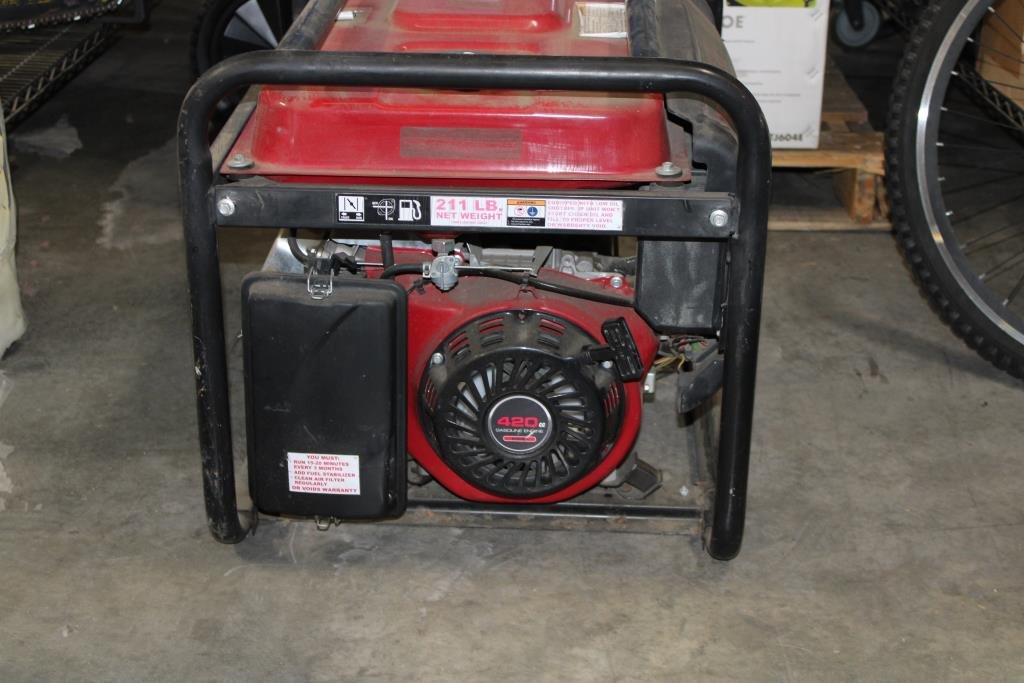
When the lights go out, the job site loses its hum, or your RV is miles from an outlet, reliable power isn't just a convenience – it's a necessity. That's where a workhorse like the Predator 6500 Generator steps in, offering a compelling blend of power, portability, and practicality. Understanding the Predator 6500 Generator Use Cases & Applications is key to unlocking its full potential, whether you're safeguarding your home, powering tools, or embracing the great outdoors. This guide will walk you through precisely where this mid-range champion shines brightest, helping you decide if it's the right fit for your power needs.
At a Glance: Predator 6500 Generator Essentials
- What it is: A versatile, mid-range portable generator delivering reliable power for various scenarios.
- Key Strengths: Exceptional value, solid power output (6500 peak / 5500 running watts), impressive runtime (up to 14.5 hours at 25% load), and built-in mobility.
- Ideal For: Emergency home backup, powering job site tools, RV and camping comfort, and mobile business or event support.
- Considerations: Noise level (73 dB), manual pull-start only, and its 155-pound weight might require two people to lift into a truck.
- Core Specs: 301cc gas engine, four 120V 20A outlets, one 120V/240V 30A twist-lock, and a 12V DC outlet.
Why the Predator 6500 Has Earned Its Stripes
In a market crowded with power solutions, the Predator 6500 carves out a significant niche. It's not the biggest, the quietest, or the most feature-packed, but it offers an undeniable value proposition. Priced often hundreds less than competitors with similar output, it delivers essential power without breaking the bank. This balance of competitive pricing with robust capabilities makes it a go-to for countless homeowners, professionals, and adventurers looking for a dependable energy source.
The Powerhouse at Home: Essential Backup for Outages
Few things disrupt modern life like a power outage. Whether it's a summer storm knocking out grid access or a winter freeze causing widespread blackouts, having a reliable home backup system is crucial. The Predator 6500 is perfectly positioned to serve as your family's lifeline.
With 5500 running watts and 6500 peak watts, this generator can juggle a surprising array of essential household items simultaneously, keeping your routines as normal as possible.
What You Can Power During an Outage:
- Refrigeration: Keep your food from spoiling. A typical refrigerator (700W) and freezer (500W) are easily managed.
- Climate Control: Essential for comfort and safety. You can run a furnace fan (800W) to distribute heat, or even a window air conditioner (1100W) when the summer heat becomes oppressive.
- Lighting & Entertainment: Multiple lights (400-600W total) prevent stumbling in the dark, and a TV (300W) can keep you informed or entertained.
- Cooking: A microwave (1000W) for quick meals or reheating can be used intermittently.
- Water Supply: If you rely on a well, the generator can power a well pump (1000W starting / 500W running intermittently) to ensure you have running water.
- Small Appliances & Charging: Charge phones, laptops, and run small kitchen appliances as needed.
Strategic Load Management is Key: While the Predator 6500 can handle many items, you'll need to be mindful of its 5500 running watt limit. This means you might not run the microwave at the exact moment the well pump kicks on. Prioritize your needs and cycle larger appliances to avoid overloading the system. A simple energy audit of your critical appliances will help you create a power plan before an emergency strikes.
Safety First: Always operate the generator outdoors, at least 20 feet from any windows, doors, or vents to prevent dangerous carbon monoxide buildup. Direct the exhaust away from your home and neighbors.
Conquering the Job Site: Powering Tools and Progress
For contractors, construction crews, and serious DIYers, a portable generator is often the backbone of productivity, especially in remote areas without grid access. The Predator 6500 is a frequent sight on job sites, trusted for its ability to energize demanding power tools.
Tools and Equipment It Can Handle:
- Circular Saws: A common workhorse, a 1500W circular saw runs smoothly on the 6500.
- Air Compressors: Critical for framing nailers and other pneumatic tools, it can manage an 1800W starting / 1000W running air compressor.
- Work Lights: Keep visibility high with powerful work lights (500W) even as dusk settles.
- Electric Drills & Grinders: Power a variety of corded tools to cut, shape, and fasten.
- Battery Chargers: Keep your cordless tool batteries topped up for uninterrupted work.
Its robust 301cc engine and heavy-duty steel frame are designed to withstand the rigors of a construction environment. While its 155-pound weight means it's not effortlessly tossed around, the integrated wheel kit and fold-down handles make it manageable for one person to move across a site.
Life on the Go: RV, Camping, and Outdoor Adventures
The call of the open road or the tranquility of a remote campsite often means leaving traditional power sources behind. For RV owners and avid campers, the Predator 6500 becomes an indispensable companion, bringing creature comforts wherever you roam.
Enhancing Your Outdoor Experience:
- RV Air Conditioners: Beat the heat with your RV's AC unit (1500-2000W starting / 1000-1500W running), a major draw the 6500 can capably handle.
- Small Kitchen Appliances: Brew coffee, toast bread, or run a blender for morning smoothies.
- Entertainment Systems: Power your TV, satellite dish, or sound system for movie nights under the stars.
- Lighting: Brighten up your campsite or RV interior without draining your RV's battery.
- Charging Stations: Keep all your devices – phones, tablets, cameras – fully charged.
Its 5-gallon fuel tank offers an impressive runtime, allowing you to enjoy extended periods off-grid without constant refueling. Just remember to consider the 73 dB noise level; while acceptable for a conventional generator, it's something to factor in for quiet campgrounds or close-quarter setups.
Beyond the Everyday: Mobile Businesses & Special Events
The versatility of the Predator 6500 extends far beyond homes and campsites. For entrepreneurs, event organizers, and anyone needing power where infrastructure is absent, it can be a business enabler.
Powering Pop-Ups and Gatherings:
- Food Trucks & Carts: Run refrigeration units (700-1500W), griddles, coffee makers, and other cooking appliances (600-1500W each) to serve customers.
- Farmer's Markets & Craft Fairs: Power point-of-sale (POS) systems, lighting for displays, and small fans or heaters for vendor comfort.
- Outdoor Events: Provide power for sound systems, lighting, inflatable attractions, or projection equipment for movie nights or presentations.
- Field Operations: Charge equipment for researchers, film crews, or photographers working in remote locations.
The 6500's durable design and steady output make it a reliable partner for these intermittent but crucial power demands. Its multiple outlets also allow for connection of various devices simultaneously.
Getting Started: From Box to Power
Bringing your Predator 6500 to life is straightforward, but it requires a few critical steps to ensure safe and optimal operation. Before you can harness its power, you'll need to get it ready.
Initial Setup (One-Time):
- Wheel Kit Installation: The included wheel kit with never-flat tires makes moving the 155-pound unit much easier. Follow the instructions to attach the wheels and handles.
- Add Engine Oil: The generator ships without oil. You'll need approximately 1.16 quarts (37 ounces) of SAE 10W-30 oil. For colder environments (below 40°F/4°C), 5W-30 is recommended. Fill to the top of the dipstick without overfilling.
- Add Fuel: Use fresh unleaded gasoline with an octane rating of 87 or higher. Avoid fuel with more than 10% ethanol (E10) as it can damage the engine over time. The 5-gallon tank provides ample run time.
- Grounding: For safety, especially when connecting to a transfer switch, ensure the generator is properly grounded. Consult your manual for the correct procedure.
- Pre-Start Inspection: Before every use, quickly check oil and fuel levels, inspect for any visible damage, and ensure the area around the generator is clear.
Starting Procedure:
- Placement: Always place the generator on a level, stable, and well-ventilated outdoor surface, far from windows, doors, and vents.
- Fuel Valve: Turn the fuel valve to the "ON" position.
- Choke: If starting a cold engine, set the choke lever to the "CLOSED" position. For warm starts, it may not be necessary.
- Engine Switch: Turn the engine switch to the "ON" position.
- Pull Start: Grip the starter handle firmly and pull rapidly until the engine starts.
- Choke Adjustment: As the engine warms up (usually within a minute), gradually move the choke lever to the "OPEN" position.
- Warm-up: Allow the generator to run for 1-2 minutes without any load connected to warm up before plugging in appliances.
With these steps, you'll have your Predator 6500 ready to deliver power. For a deeper dive into its features, specifications, and what makes it tick, you might want to Explore the Predator 6500 generator in more detail.
Keeping the Power Flowing: Maintenance for Longevity
Like any hardworking machine, the Predator 6500 thrives on regular maintenance. Following the recommended schedule ensures reliability, extends its lifespan, and protects your investment.
- Before Each Use:
- Check engine oil level.
- Inspect the air filter.
- Verify fuel level and freshness.
- Look for any signs of damage or loose components.
- After First 20 Hours (Break-in):
- Change the engine oil.
- Check valve clearance (refer to manual, often best done by a technician).
- Clean the spark arrestor.
- Every 50 Hours or 3 Months:
- Change engine oil.
- Clean the air filter.
- Clean the fuel sediment cup.
- Inspect and clean the spark plug.
- Every 100 Hours or 6 Months:
- Repeat all 50-hour tasks.
- Replace the air filter if needed.
- Replace the spark plug if needed (F7TC equivalent, 0.028-0.031″ gap).
- Clean the fuel tank and fuel filter.
- Check and clean the spark arrestor.
- Inspect fuel lines for cracks or damage.
- Annually or Every 300 Hours:
- Repeat all 100-hour tasks.
- Clean the combustion chamber.
- Check valve clearance.
Long-Term Storage Tips:
If you plan to store the generator for more than 30 days:
- Add a fuel stabilizer to the gasoline.
- Run the engine for a few minutes to circulate the stabilized fuel.
- Turn off the fuel valve and let the engine run until it completely stops from fuel starvation. This prevents gummy carburetor deposits.
- Change the engine oil.
- Remove the spark plug and pour a tablespoon of fresh engine oil into the cylinder.
- Slowly pull the starter cord a few times to distribute the oil, then reinstall the spark plug.
- Clean the exterior and cover the generator to protect it from dust and moisture, storing it in a dry location.
Troubleshooting Common Hurdles
Even the most reliable generators can encounter occasional hiccups. Here's a quick guide to common issues and how to resolve them:
- Starting Issues:
- No Fuel/Low Fuel: Always the first check! Ensure the tank has fresh gas and the fuel valve is ON.
- Low Oil Shutdown: The generator has a low oil sensor. Check the oil level and add if necessary.
- Incorrect Choke Position: For cold starts, choke CLOSED. For warm, choke OPEN.
- Dirty Spark Plug: Inspect the spark plug; clean or replace if fouled or damaged.
- Clogged Air Filter: A dirty air filter can starve the engine of air. Clean or replace it.
- Power Output Issues (No electricity or low voltage):
- Tripped Circuit Breakers: Check the generator's circuit breakers on the control panel. Reset if tripped.
- Overload: You might be trying to pull too much power. Disconnect some loads and try again.
- Faulty Outlets: Try different outlets. If only one isn't working, it might be faulty.
- AVR Failure: The Automatic Voltage Regulator (AVR) can fail, leading to no or incorrect voltage. This usually requires professional repair.
- Engine Performance Issues (Rough running, surging, excessive fuel consumption):
- Stale Fuel: Old or contaminated fuel is a common culprit. Drain and refill with fresh gas.
- Clogged Carburetor: Fuel system issues, often from old fuel, can clog the carburetor. Cleaning or rebuilding may be necessary.
- Restricted Air Filter: A dirty air filter can cause the engine to run rich.
- Governor Adjustment: Incorrect governor settings can lead to surging. This is best adjusted by a technician.
For any complex mechanical or electrical problems, especially those involving internal components, consulting the user manual or a certified service technician is always the safest course of action.
Predator 6500 vs. The Competition: A Quick Look
When considering the Predator 6500, it's helpful to understand its place in the broader generator landscape. Brands like Generac are well-established leaders, often focusing on high-end home standby units and heavy-duty portables with advanced features. Predator, a Harbor Freight brand, targets a different market, emphasizing affordability and practical performance.
- Value Proposition: The Predator 6500 truly excels here, offering substantial power for its price point ($549-$649), often significantly less than Generac or Honda models of similar wattage ($800-$1200+).
- Power Stability: Generac often boasts "True Power Technology" for cleaner power, ideal for highly sensitive electronics. The Predator 6500 offers voltage regulation within ±10%, which is suitable for most common appliances and tools but might not be recommended for delicate electronics without an external surge protector or power conditioner.
- Build Quality & Features: Generac units typically feature more robust builds, advanced digital displays, and often electric start options. The Predator 6500 maintains a heavy-duty steel frame but keeps features simpler (manual start only, standard outlets) to keep costs down.
- Noise Level: Both conventional generators in this power range are relatively loud. The Predator 6500 operates at 73 dB, comparable to other non-inverter generators of its size.
When the Predator 6500 is the Right Choice: - You're budget-conscious but need reliable power for essential items.
- Your primary use cases are emergency home backup, job site tools, or RV comfort.
- You prioritize runtime and practical functionality over advanced features like electric start or ultra-quiet operation.
- You don't need to power highly sensitive electronics directly without additional conditioning.
It's a workhorse designed for performance without the premium price tag, making it an excellent option for many common applications.
Making the Most of Your Generator: Best Practices
Owning a generator like the Predator 6500 is a smart move, but maximizing its benefits—and ensuring safety—comes down to good practices.
Mind Your Load Management
Always be aware of the 5500 running watt limit. Use an appliance's running watts (not peak) to calculate your total load. Avoid connecting high-amperage appliances simultaneously. If lights dim or the engine struggles, you're likely overloading it. Unplug some items and reset the circuit breaker if it tripped.
Extension Cord Smarts
Use only heavy-duty, outdoor-rated extension cords (10-gauge is recommended for longer runs or higher-draw appliances) to connect devices to the generator. Inspect cords for damage before each use. Never run cords under rugs or through water.
Fueling Up Safely
Always allow the generator to cool down for at least 15-20 minutes before refueling. Spilled fuel on a hot engine can ignite. Use a funnel to prevent spills, and never refuel indoors or near open flames.
Environmental Awareness
Be mindful of the generator's noise level (73 dB). Position it away from living areas, especially at night, and consider your neighbors. While the Predator 6500 is air-cooled, ensure adequate airflow around it to prevent overheating.
Secure and Protect
Use a generator cover to protect your unit from the elements when not in use. If using it on a job site or in an area where security is a concern, consider a cable lock to deter theft. An hour meter (often an accessory) can help you track maintenance intervals accurately.
The Verdict: Is the Predator 6500 Right for You?
The Predator 6500 Generator is a compelling solution for anyone needing a robust, affordable, and dependable portable power source. It's a champion of practicality, excelling in scenarios where consistent power delivery is paramount, and budget is a key consideration.
You'll find the Predator 6500 an excellent investment if you are:
- A Homeowner: Looking for emergency backup power to keep essential appliances running during outages, protecting your family and home comforts.
- A Contractor or Tradesperson: Needing reliable power for corded tools and equipment on job sites without grid access.
- An RV Enthusiast or Camper: Seeking to power RV air conditioners, small appliances, and entertainment systems for extended off-grid adventures.
- A Small Business Owner or Event Organizer: Requiring portable power for food trucks, market stalls, outdoor events, or field operations.
- A Budget-Conscious Buyer: Who prioritizes strong performance and value over premium features like electric start or ultra-quiet operation.
While it's a fantastic value, it's important to acknowledge its limitations: its 155-pound weight makes solo lifting into a truck challenging, the 73 dB noise level is typical for conventional generators but not silent, and it lacks electric start or inverter technology for ultra-clean power.
Ultimately, the Predator 6500 generator is a workhorse that delivers exactly what it promises: dependable power for a wide range of real-world applications, making it a smart and practical choice for many. If its capabilities align with your needs and its price fits your budget, you'll be well-prepared for whatever power demands come your way.